
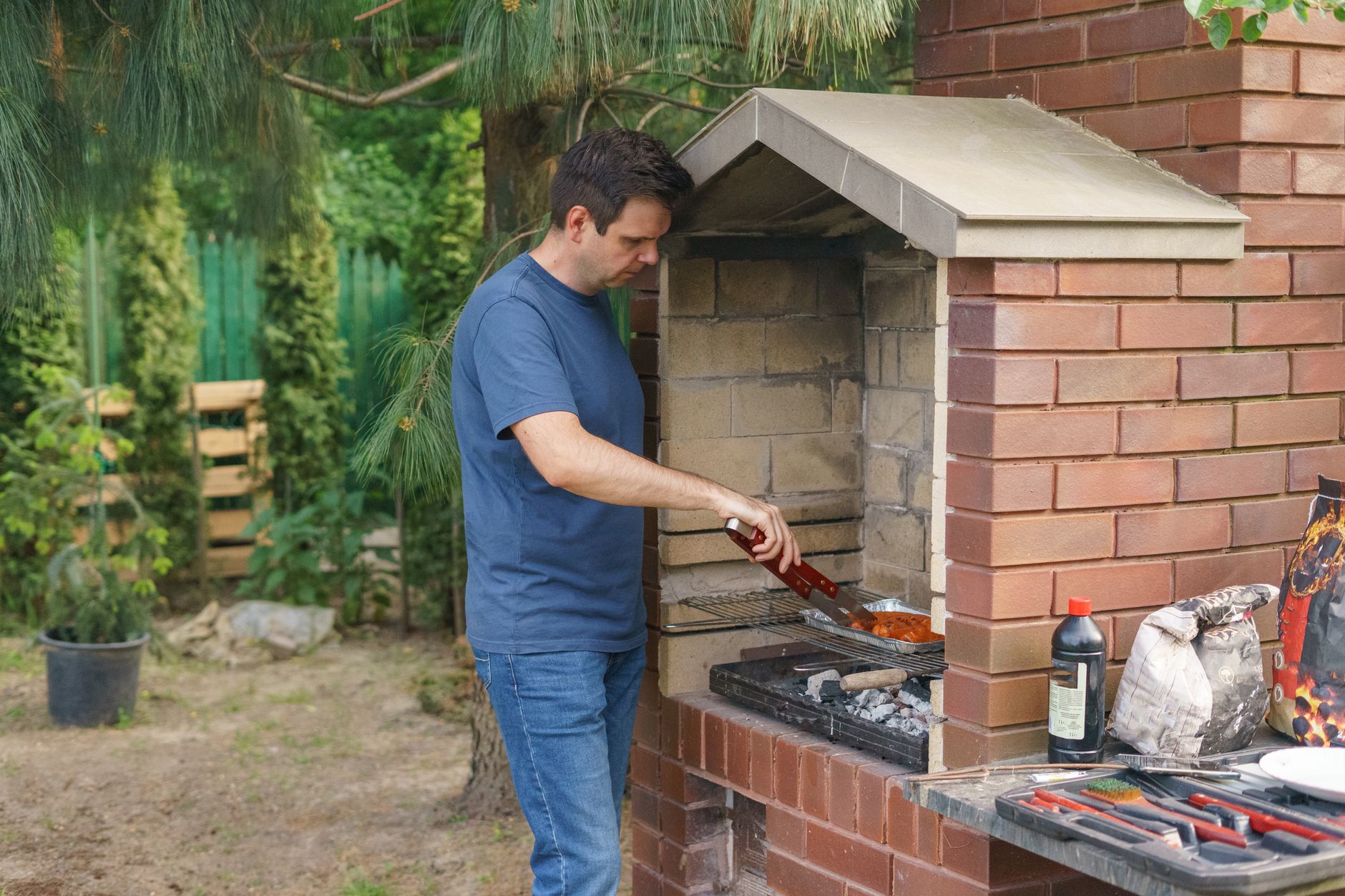
An outdoor kitchen is one of those additions that sounds indulgent until you actually have one. Once the bench space, the sink, and a proper cooking setup are in place, the backyard stops being a place you visit and starts being a place you live in. Done well, outdoor kitchens add real value to a home and meaningfully expand how you entertain, cook, and unwind. Done poorly, they rust, crack, and gather cobwebs by winter. The difference comes down to planning.
Start with a layout that suits how you cook
Before you choose a benchtop material or pick out a pizza oven, think seriously about how you actually cook outdoors. Some people want a straight run of bench along a fence or wall. Others prefer an L-shape or U-shape that creates a work zone with room for guests to gather without hovering over the cooking. If you entertain large groups, a kitchen island facing an outdoor dining area lets you cook and talk at the same time without turning your back on the room.
As a rule, keep the cooking zone, the prep zone, and the serving area distinct. A compact outdoor kitchen where everything is stacked together creates congestion the moment more than one person is involved. Even a modest 2.5 to 3 metre run of bench can work well if the zones are clearly laid out. Consider how the kitchen connects to your outdoor entertainment area as a whole: the flow between cooking, dining, and lounging matters just as much outside as it does inside the home.
Choose materials that can handle the elements
Outdoor kitchens face conditions that indoor kitchens never have to cope with: direct sun, rain, humidity, insects, and in coastal areas, salt air. Material choices that look beautiful at the showroom can deteriorate quickly without the right specification.
- Porcelain and concrete benchtops are among the most durable options. They resist UV fading, handle heat from cooking, and are easy to clean. Natural stone like granite also performs well, though it benefits from sealing in humid climates.
- Stainless steel is the standard for outdoor appliances and cabinetry for good reason. Marine-grade stainless (316 grade) is worth the extra cost in coastal or high-humidity settings.
- Powder-coated aluminium cabinetry outperforms timber for longevity outdoors. Timber can work beautifully as a feature, but it needs to be hardwood or treated to outdoor standard, and it will require ongoing maintenance.
- Travertine and natural stone tiles look stunning underfoot but can become slippery when wet. If you go this route, choose a textured or honed finish and check the slip rating.
If you are building near the coast, the same principles that apply to coastal home design apply to your outdoor kitchen: prioritise corrosion-resistant materials, avoid low-grade metals, and account for salt spray in every material decision.
Appliances worth including
The appliance list for an outdoor kitchen can grow quickly, so it pays to be deliberate about what you actually need versus what looks impressive in a catalogue.
A quality freestanding or built-in gas BBQ is the foundation of almost every outdoor kitchen. Look for at least four burners and a hood deep enough to roast as well as grill. A side burner is genuinely useful if you cook sauces, sides, or anything that needs a pot on the flame. Beyond that, consider:
- A pizza oven. Wood-fired or gas, a pizza oven becomes a centrepiece and delivers results that no indoor oven can replicate. Allow enough bench space beside it for prep and resting.
- An outdoor fridge. A dedicated outdoor fridge rated for ambient temperatures keeps drinks and ingredients at hand without constant trips inside. Make sure it's rated to at least 43°C ambient if you're in a warm climate.
- A sink with running water. This single addition changes how practical an outdoor kitchen feels. You stop ferrying dishes inside and can prep, wash, and plate entirely outdoors.
- A rangehood or ventilation. If your kitchen is under a covered pergola or alfresco structure, ventilation matters. Smoke buildup under a pergola ceiling is both unpleasant and damaging over time.
Shelter, lighting, and the finishing details
An outdoor kitchen with no overhead cover is a fair-weather-only investment. A pergola, shade sail, or solid roof structure extends the usability of the space across seasons and protects your appliances and benchtops from prolonged exposure. Insulated roofing panels are worth considering if you want to reduce heat retention on hot days.
Lighting is often underestimated. Task lighting over the cooking and prep zones is essential for evening use: LED strips under overhead cabinets or pendant lights above the bench provide practical illumination. Ambient lighting around the dining and lounge areas creates atmosphere once cooking is done. Smart lighting controls let you shift from bright cooking mode to relaxed entertaining mode without hunting for a switch. If you are already thinking about connected home features, pairing outdoor lighting with home automation is a straightforward upgrade that adds genuine convenience.
Storage is another detail worth planning early. Deep drawers for utensils, a cabinet for gas bottles, a lockable compartment for covers and accessories: all of these reduce the everyday friction of outdoor cooking. The kitchens that get used most often are the ones that are easiest to set up and pack down.
Planning, permits, and getting started
Depending on the scale of your build, an outdoor kitchen may require a building permit. Fixed structures, plumbing connections, and gas installations typically trigger council requirements. Check with your local authority before construction begins, and use licensed tradespeople for gas and plumbing work: these are not areas for DIY shortcuts.
Budget-wise, a well-specified outdoor kitchen in Australia can range from around $8,000 for a modest built-in setup to $40,000 or more for a fully covered, fully equipped alfresco cooking space with premium finishes. The investment tends to pay back both in lifestyle value and, in many cases, at resale. The key is matching the build to your property and how you genuinely intend to use it, rather than building for an idealised version of outdoor living that never quite arrives.
Plan the layout first, specify the materials for your climate, choose appliances you will actually use, and shelter the whole thing properly. Get those four things right and an outdoor kitchen becomes one of the most used and most loved spaces in your home.