
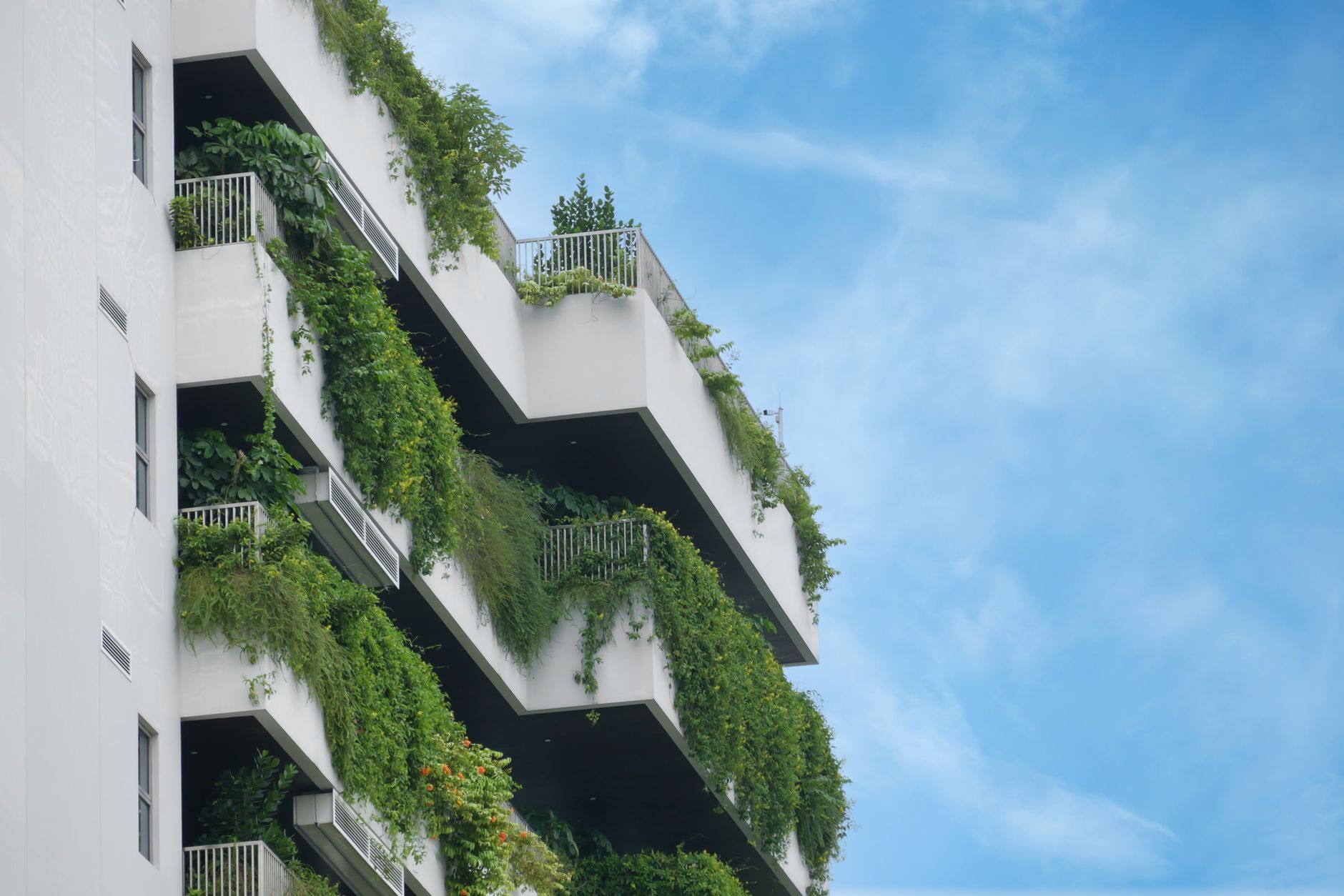
Green roof systems have moved well beyond the realm of architectural novelty. Across Australia, more homeowners and builders are exploring living roofs as a practical way to improve thermal performance, manage stormwater runoff, and reduce a home's overall environmental footprint. If you're planning a new build or a major renovation, understanding how green roofs work and what they actually cost will help you decide whether one belongs on your home.
What a green roof system actually is
A green roof is a layered roofing system that supports plant growth directly on a building's structure. At its simplest, it consists of a waterproof membrane, a drainage layer, a growing medium, and vegetation. There are two main types: intensive systems, which can support deep soil profiles, trees, and even walkable garden spaces; and extensive systems, which use a shallow growing medium planted with hardy, drought-tolerant species like sedums and native grasses.
Extensive systems are the more common choice for residential homes in Australia. They're lighter, lower maintenance, and more forgiving of the variable rainfall patterns found across different states. Intensive green roofs are better suited to larger structures with significant load-bearing capacity, such as multi-storey homes or commercial builds where rooftop amenity is a design priority.
The real benefits for Australian homes
The performance case for green roofs is genuinely strong in the Australian climate, though the benefits vary depending on your location and home design. Here's where living roofs tend to deliver the most value.
- Thermal insulation: The growing medium and vegetation act as a natural insulating layer, reducing heat gain through the roof in summer and slowing heat loss in winter. In a hot climate this can meaningfully cut cooling loads, complementing other passive design strategies.
- Stormwater management: Green roofs absorb and retain rainfall, reducing the volume and speed of runoff entering stormwater systems. This is particularly valuable in urban areas where hard surfaces already strain drainage infrastructure.
- Extended roof membrane life: The vegetation and substrate protect the underlying waterproof membrane from UV degradation and thermal cycling. A well-installed green roof can more than double the lifespan of the membrane beneath it.
- Biodiversity: Living roofs create habitat for insects and birds in environments where green space is scarce. This aligns well with the broader sustainability goals many new-home builders are pursuing.
- Acoustic performance: The density of the substrate provides meaningful sound attenuation, which is especially useful in urban or suburban settings close to traffic or flight paths.
- Aesthetic and amenity value: A well-designed green roof adds visual interest to a home, and an intensive system can create usable outdoor space on an otherwise flat roof.
What green roofs cost and what drives that price
Cost is where many homeowners pause, and rightly so. Green roof installation in Australia typically ranges from around $150 to $400 per square metre for an extensive system, and can exceed $600 per square metre for intensive builds with complex planting schemes and irrigation. Several factors drive that range significantly.
Structural capacity is often the biggest cost variable. If your existing or planned roof structure needs to be reinforced to carry the additional load of wet substrate, the engineering and material costs can be substantial. This is why green roof feasibility should be assessed during the design phase, not as an afterthought. Retrofitting an existing roof is almost always more expensive than building green roof compatibility in from the start.
Waterproofing quality also matters enormously. The membrane beneath a green roof must be root-resistant and reliably watertight, since any failure becomes very difficult to locate and repair once the system is planted. Spending more on a robust, tested membrane is rarely money wasted.
Ongoing maintenance is a cost that's easy to underestimate. Even low-maintenance extensive systems require periodic inspection, weed removal, and occasional replanting. Budgeting for annual upkeep, roughly $10 to $30 per square metre depending on plant selection and access, keeps your system healthy and your warranty intact.
How green roofs fit into a broader sustainable home strategy
A green roof is most effective when it's part of a considered whole-home approach to sustainability. It works particularly well alongside passive solar design, where managing solar heat gain through the roof is already a priority. The combination of strategic glazing, thermal mass, and a living roof can dramatically reduce the need for mechanical cooling in warmer months.
Green roofs also pair naturally with rainwater harvesting systems. While the roof itself retains a portion of rainfall, any overflow can be directed into tanks for reuse in irrigation or toilet flushing, creating a more closed-loop approach to water management on your property.
For homeowners pursuing a high-performance or net zero build, a green roof can contribute to overall energy ratings and may be counted positively in some council planning assessments, particularly in metropolitan areas where green infrastructure policies are becoming more common.
Things to sort out before you commit
Before committing to a green roof, a few practical questions are worth working through carefully.
- Roof pitch: Most green roof systems work best on low-pitched or flat roofs. Slopes above about 20 degrees require retention systems to prevent substrate movement and are significantly more complex to install.
- Drainage design: Poor drainage is the most common cause of green roof failure. Your system needs clearly defined drainage paths that prevent waterlogging without draining too quickly for plant survival.
- Plant selection: Native and locally adapted species generally outperform exotic choices in terms of resilience and low water demand. A horticulturalist with green roof experience is worth consulting during the design phase.
- Council requirements: Some councils actively encourage green roofs through planning incentives. Others have specific requirements around stormwater management that a green roof could help you meet. Check your local planning scheme early.
- Irrigation: In many Australian climates, some form of supplemental irrigation will be needed during establishment and through dry seasons. Factor this into both your upfront design and your ongoing running costs.
Is a green roof right for your home?
For the right home and the right owner, a green roof is one of the more satisfying sustainable features you can build in. It's visible, it performs across multiple dimensions, and it tends to hold its value well in markets where sustainability credentials matter to buyers.
That said, it's not a fit for every project. A steeply pitched home, a tight build budget, or a location where maintenance access is difficult may tip the calculation the other way. The key is to assess the option early, with proper structural and hydrological input, rather than treating it as a feature that can be added later.
If you're in the planning stages and want to understand how a green roof fits alongside your other design choices, it's worth raising the idea with your builder at the design stage. Done well, a living roof doesn't just improve your home's sustainability credentials. It becomes one of the features you point to with the most pride.